
How to Create a Weekly Family Meal Plan
Planning meals for an entire family can sometimes feel like solving a puzzle. You need dishes everyone will enjoy, enough variety to keep meals interesting, ingredients that fit the weekly grocery budget, and recipes that can realistically be prepared around work, school and family commitments.
The good news is that family meal planning doesn’t need to be complicated. With a simple weekly routine, a well-stocked pantry and inspiration from a trusted family cookbook New Zealand households can turn to, deciding what to cook each night becomes much easier.
A weekly family meal plan can save time, reduce unnecessary supermarket trips, minimise food waste and make home cooking more enjoyable. It can also create opportunities for children to become involved in choosing and preparing meals.
Here’s how to create a practical weekly meal plan that works for your household.
Why Create a Weekly Family Meal Plan?
One of the biggest advantages of meal planning is removing the daily question: “What are we having for dinner?”
Instead of opening the fridge at 5.30pm and hoping inspiration appears, you already know what you’re making and have the ingredients ready.
Meal planning can help your family:
• simplify grocery shopping
• reduce impulse purchases
• make better use of ingredients
• enjoy a greater variety of meals
• reduce food waste
• share cooking responsibilities
• spend more time eating together.
It doesn’t mean every meal needs to be planned down to the smallest detail. A useful meal plan should provide structure while leaving enough flexibility for the realities of family life.
Step 1: Look at Your Family’s Week
Before choosing recipes, look at your calendar.
Which nights will everyone be home? Are there sports practices, school activities, late meetings or other commitments? Is there a night when you’ll have more time to cook?
Match the complexity of your meals to the amount of time you actually have.
For example, Monday might require a quick family dinner, while Saturday could be the perfect opportunity to try a new recipe or cook something that takes a little longer.
A simple weekly structure could look like this:
Monday: Quick family favourite
Tuesday: Pasta or rice-based meal
Wednesday: Easy midweek dinner
Thursday: Leftovers or a meal using remaining vegetables
Friday: Fun family dinner
Saturday: New recipe night
Sunday: Roast, shared family meal or batch cooking
This structure gives you a starting point without making the week feel repetitive.
Step 2: Choose Recipes the Family Actually Enjoys
A meal plan is only useful if people want to eat the food.
Start by writing down 10–15 reliable meals your household already enjoys. These become your core recipes.
Then introduce one or two new dishes each week.
A good family cookbook New Zealand home cooks can keep close at hand is particularly useful at this stage. Rather than searching for a different recipe every evening, you can browse a collection and mark recipes that suit your family.
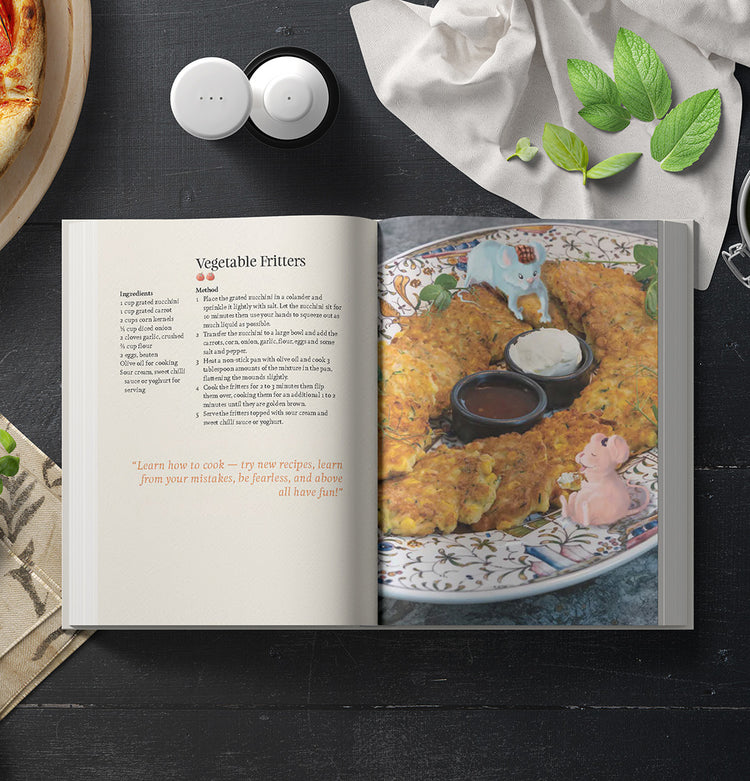
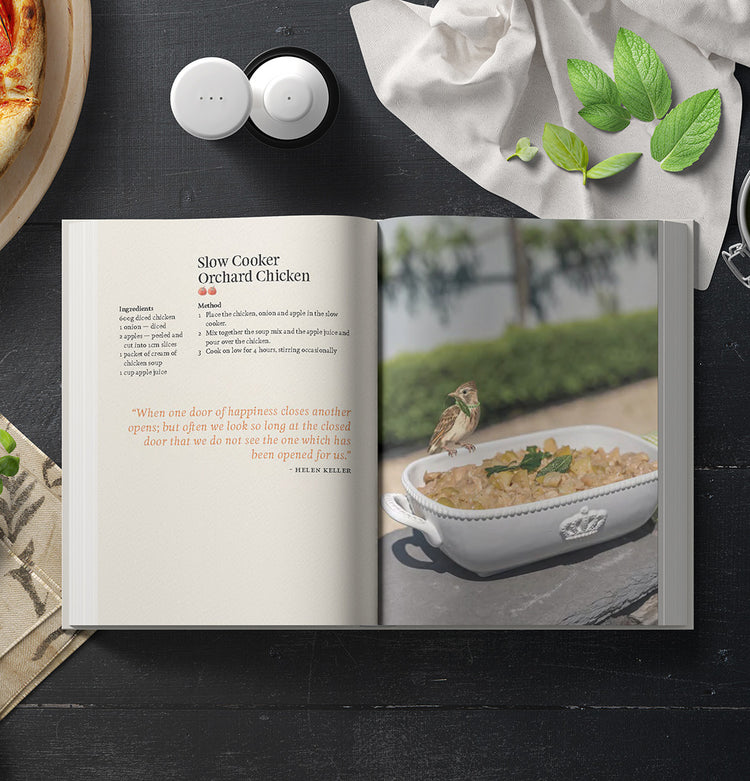
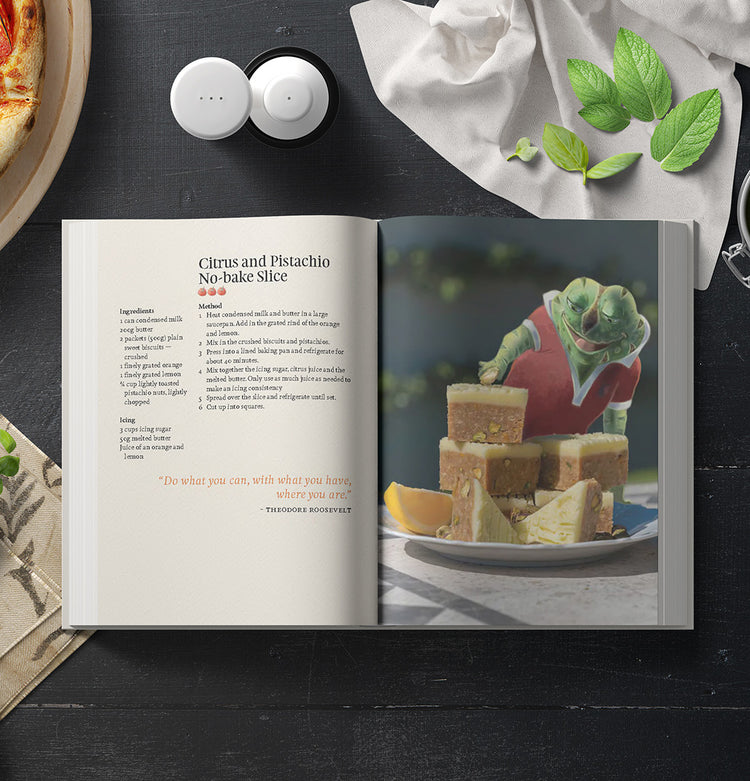
Tangleby Gardens cookbooks are designed around approachable recipes and home cooking. For example, A Table at Tangleby features more than 170 dishes, ranging from simple snacks to meals suitable for entertaining, while Tangleby Everyday Recipes focuses on quick, flavourful recipes using common ingredients.
Keeping favourite cookbooks in the kitchen also makes it easy for different family members to choose meals for the coming week.
Step 3: Plan Around Ingredients You Already Have
Before writing your shopping list, check your fridge, freezer and pantry.
You might discover carrots that need using, half a bag of potatoes, frozen chicken, pasta, rice or canned ingredients that can form the basis of several meals.
Plan these ingredients into the beginning of your week.
For example, vegetables left in the fridge could become a soup, pasta dish, stir-fry or tray bake.
This simple habit can significantly reduce the amount of food that gets forgotten and eventually thrown away.
It also encourages creativity. Instead of deciding on seven meals and buying everything from scratch, ask:
“What meals can I create from what we already have?”
Then purchase only the ingredients required to complete those dishes.
Step 4: Use Ingredients Across Several Meals
Efficient meal planning means thinking beyond individual recipes.
If you’re buying ingredients for one meal, consider whether they can be used again later in the week.
Roast vegetables, for example, could accompany dinner one evening and become part of a salad or lunch the following day.
Cooked chicken could be served as the main component of one meal before being transformed into wraps, sandwiches or another easy dish.
Fresh herbs can appear in several meals instead of being purchased for one recipe and forgotten at the back of the fridge.
This approach helps stretch the weekly grocery shop while providing plenty of variety.
Step 5: Include One Flexible Meal
Plans change.
Someone might get home late, friends could visit unexpectedly, or you may simply decide you don’t feel like cooking the meal you originally planned.
Build flexibility into your schedule by including one easy meal.
This could be:
• leftovers
• toasted sandwiches
• soup and bread
• eggs on toast
• homemade pizza
• a freezer meal
• a simple pasta dish.
Having a backup option prevents a disrupted schedule from throwing out the entire week’s plan.
Step 6: Get Children Involved
Meal planning is a great opportunity to introduce children to cooking and food preparation.
Ask each child to choose one dinner for the week. Depending on their age, they can also help prepare ingredients, measure quantities, mix ingredients or set the table.
Children are often more enthusiastic about eating something when they have helped make it.
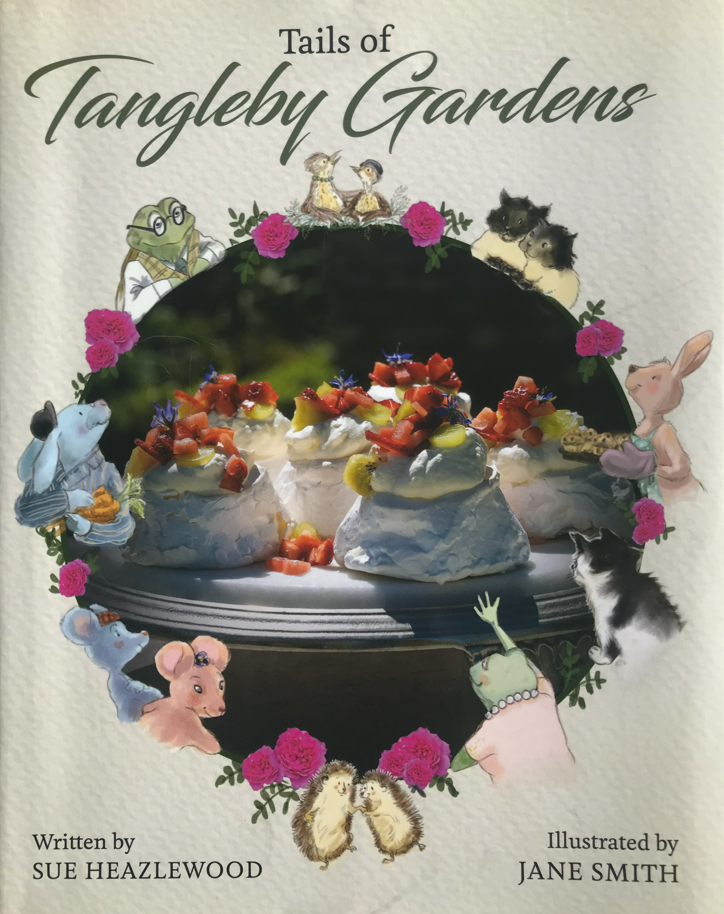
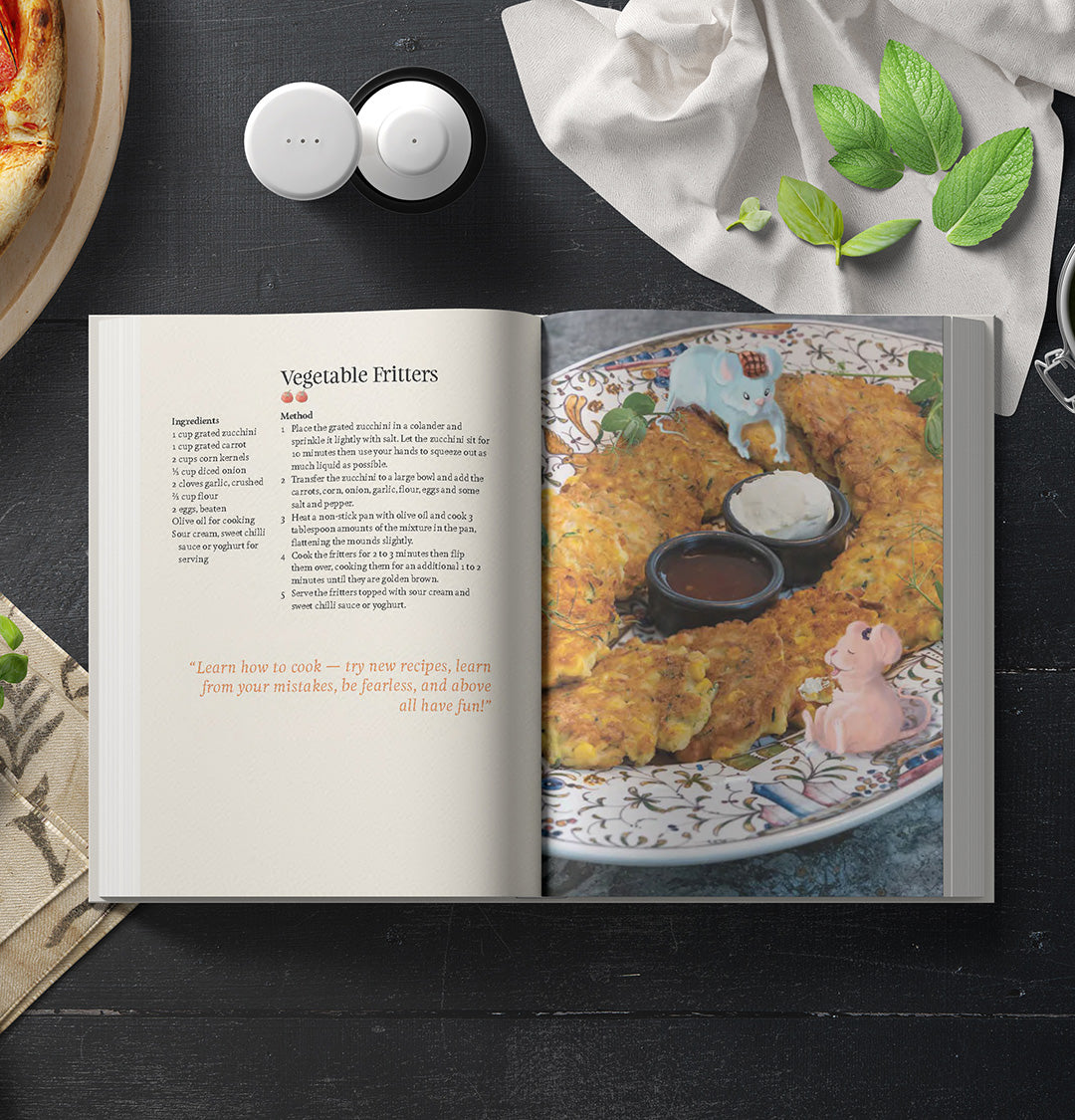
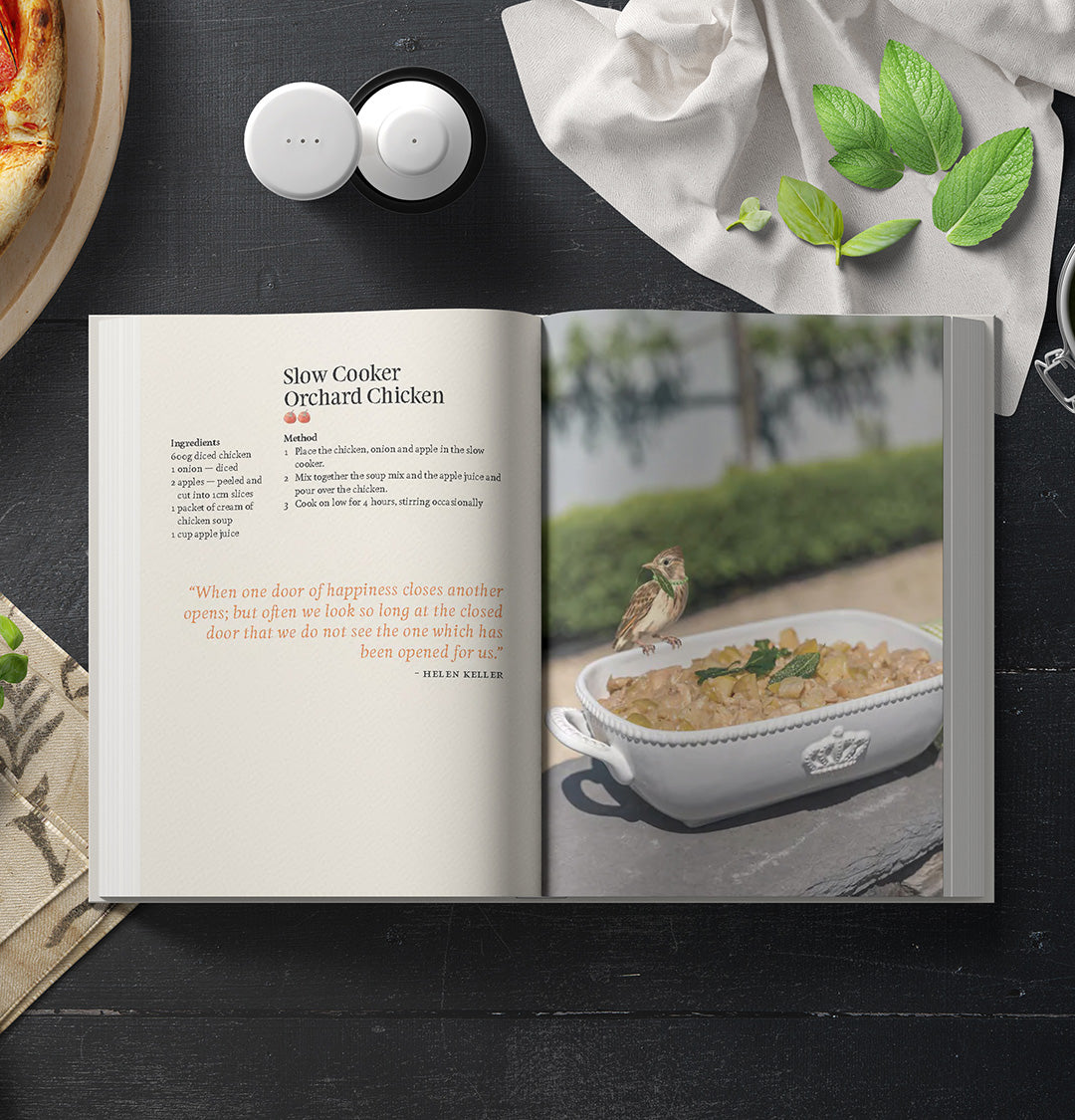
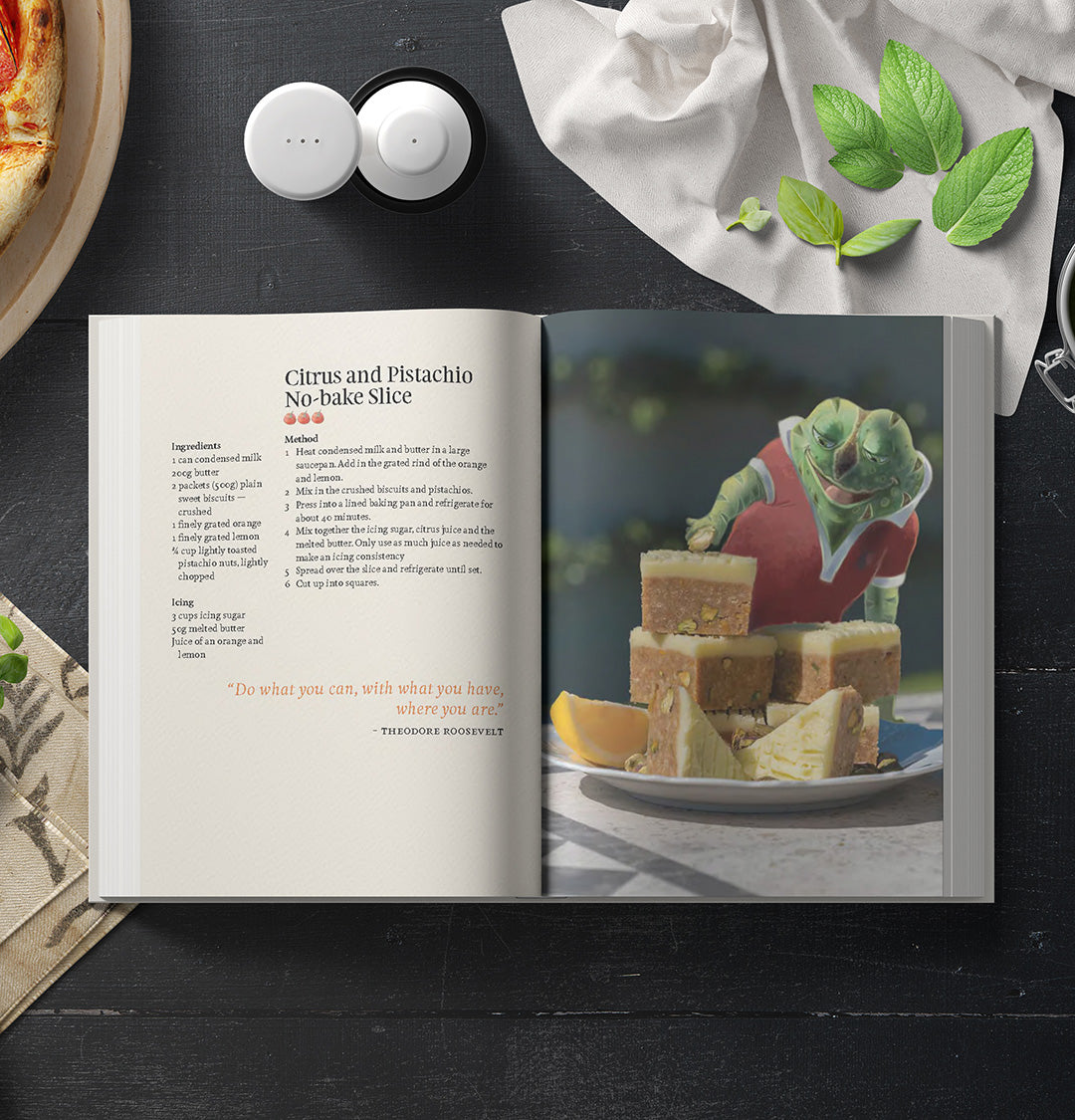
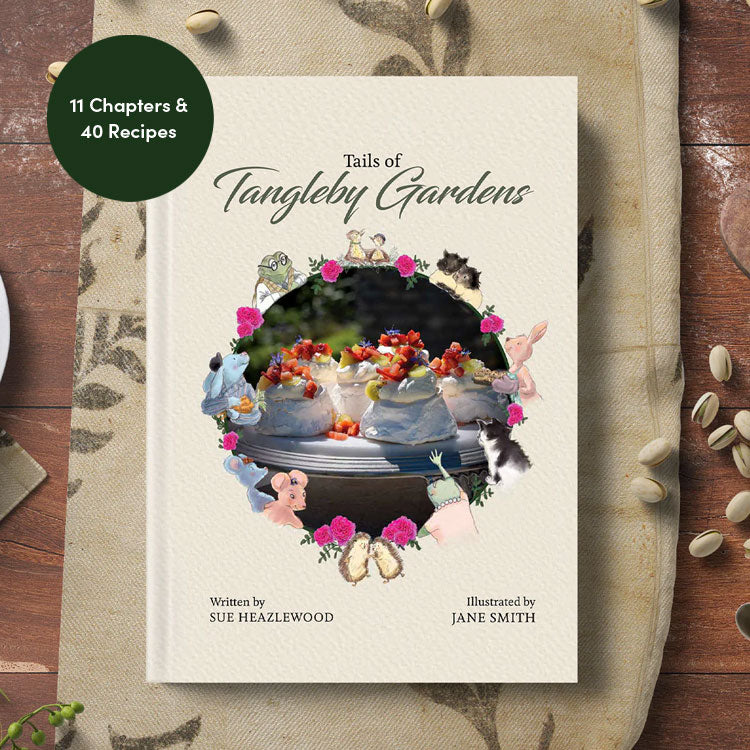
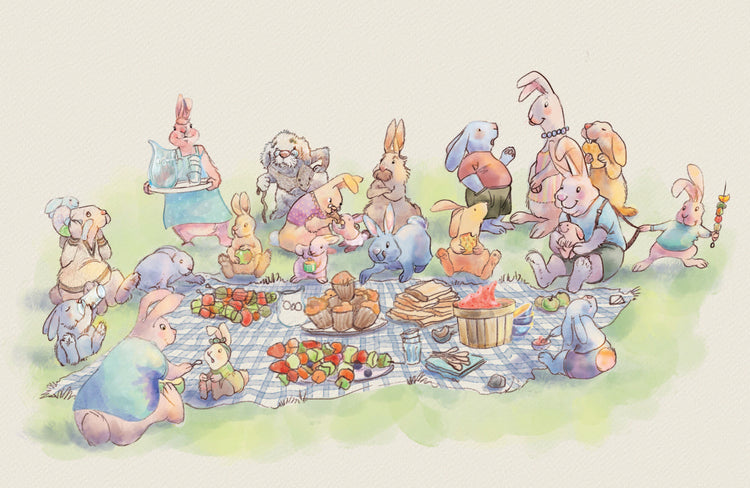
Tangleby Gardens takes this idea further with its children’s cookbook series, Tails of Tangleby Gardens. The books combine storytelling with recipes designed to encourage children and their grown-ups to spend time cooking together.
A regular “kids choose dinner” evening can quickly become a favourite family tradition.
Step 7: Create Your Shopping List from the Meal Plan
Once you have selected the week’s meals, write your grocery list directly from the recipes.
Check every recipe and note what you already have before adding anything to the list.
Organising the list into categories can make supermarket shopping faster:
Fresh produce: fruit, vegetables and herbs
Protein: meat, fish, eggs or alternatives
Dairy: milk, cheese, yoghurt and butter
Pantry: rice, pasta, canned goods, flour and sauces
Bakery: bread and wraps
Freezer: frozen vegetables and useful backup ingredients
Shopping with a specific list also makes it easier to avoid buying ingredients without knowing how you’ll use them.
Step 8: Prep a Few Ingredients in Advance
You don’t need to spend your entire Sunday preparing meals for the week.
Even 20–30 minutes of preparation can make busy evenings easier.
You might wash vegetables, prepare salad ingredients, cook rice, make a sauce or portion ingredients for upcoming meals.
You could also prepare a complete meal that freezes well, giving you an instant dinner for an especially busy evening.
Think of preparation as removing small jobs from your future self rather than trying to cook an entire week of food at once.
Step 9: Keep a Family Meal Planning Notebook
Keep track of successful meals.
Write down dishes everyone loved, recipes you want to make again and meals that worked particularly well on busy nights.
You can also note useful combinations such as:
“Make extra chicken for tomorrow’s lunch.”
“Double this recipe and freeze half.”
“Great dinner for sports night.”
Over time, you’ll create your own collection of dependable family meals.
A favourite family cookbook New Zealand families can cook from can become part of this system too. Add bookmarks or notes beside recipes your household enjoys and gradually build a shortlist of dependable dishes.
Step 10: Make Family Meals Something to Look Forward To
Meal planning is ultimately about more than organisation.
Food brings people together.
A home-cooked dinner creates an opportunity to sit around the table, talk about the day and spend time together. Children can learn practical kitchen skills, family recipes can become traditions and ordinary weeknight dinners can create surprisingly lasting memories.
That philosophy is central to Tangleby Gardens, where cooking, gardening, entertaining and family life come together through recipes designed to create memorable moments.
Your weekly plan doesn’t need seven elaborate dinners.
Some nights might involve a beautifully prepared family meal. Others might simply be toasted sandwiches after a busy day.
What matters is creating a routine that makes cooking easier and family mealtimes more enjoyable.
A Simple Example of a Weekly Family Meal Plan
Here’s an easy framework to adapt for your household:
Monday – Easy Start
Choose a quick meal using ingredients already in the fridge.
Tuesday – Family Favourite
Cook a reliable dish you know everyone enjoys.
Wednesday – Midweek Meal
Choose something straightforward with minimal preparation.
Thursday – Use-It-Up Night
Turn remaining vegetables and ingredients into a flexible meal.
Friday – Fun Dinner
Try homemade burgers, pizza, wraps or another meal everyone can help assemble.
Saturday – Cookbook Night
Choose a new recipe from your favourite cookbook and make cooking part of the weekend.
Sunday – Family Table
Prepare a meal designed for sharing, then consider making extra portions for the coming week.
Once you establish the habit, weekly meal planning can take only a few minutes.
Find Family Cooking Inspiration with Tangleby Gardens
If you’re searching for a family cookbook New Zealand households can use for everyday inspiration, Tangleby Gardens offers cookbooks for adults and children created around the pleasure of cooking and sharing food.
Created by Sue Heazlewood and inspired by Tangleby Gardens in North Canterbury, the collection includes family-friendly everyday recipes, baking inspiration, entertaining ideas and children’s cookbooks that combine imaginative stories with hands-on cooking.
From choosing next week’s dinners to encouraging younger family members into the kitchen, having a collection of trusted recipes makes meal planning much simpler.
Explore the Tangleby Gardens cookbook collection and discover new recipes to bring your family together around the table.
Frequently Asked Questions
What is the easiest way to create a weekly family meal plan?
Start with your family’s schedule and choose meals according to how much cooking time you have each day. Include several familiar favourites, one or two new recipes and at least one flexible or leftover meal.
How many meals should I plan each week?
Planning five or six main dinners is often enough for many households. Leaving one night flexible allows for leftovers, changed plans or an easy meal using ingredients already at home.
How can meal planning help reduce food waste?
Check your fridge, freezer and pantry before selecting meals. Build your plan around ingredients you already have and choose recipes that use overlapping fresh ingredients throughout the week.
How can I get children involved in weekly meal planning?
Let children choose one meal each week and give them age-appropriate kitchen tasks. Children can wash produce, measure ingredients, mix, assemble dishes or help set the table. A children’s cookbook can also make choosing and preparing recipes more engaging.
What should I look for in a family cookbook in New Zealand?
Look for clear instructions, accessible ingredients and enough variety to suit everyday meals, weekends and special occasions. Families with children may also benefit from cookbooks designed specifically to encourage young cooks to participate.
Where can I find a family cookbook in New Zealand?
Tangleby Gardens offers a collection of New Zealand cookbooks for adults, families and children, including A Table at Tangleby, Tangleby Everyday Recipes and the Tails of Tangleby Gardens children’s series. Explore the collection at Tangleby Gardens.